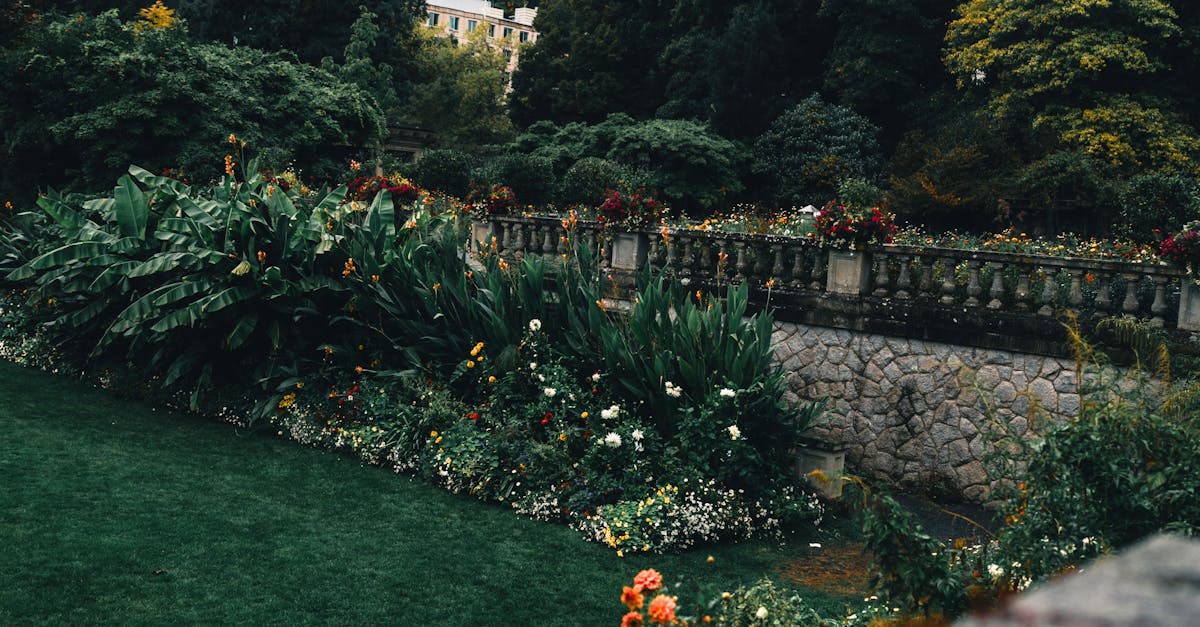
Designing Functional Outdoor Spaces Through Effective Garden Renovation
Table Of Contents
Creating Zones for Different Activities
When it comes to utilising outdoor spaces effectively, the division of areas tailored for specific activities plays a significant role. Creating distinct zones allows for better organisation and maximises the potential of a garden. Outdoor cooking areas, children’s play zones, and quiet reading nooks can coexist harmoniously. This thoughtful organisation ensures that each space serves its intended purpose while providing a balanced experience for everyone enjoying the garden.
Incorporating elements such as pathways, hedging, or varying surface textures helps delineate these zones clearly. For instance, using paving stones to create a pathway can guide guests through the garden while naturally separating the cooking area from a relaxation spot. Planting strategically can also provide privacy and acoustic barriers, enhancing the enjoyment of various activities. The key is to maintain a cohesive design that reflects personal style while facilitating a functional outdoor environment.
Designing Spaces for Relaxation and Entertainment
Creating inviting areas within the garden can enhance outdoor enjoyment. Comfortable seating arrangements with durable, weather-resistant materials encourage relaxation. Consider incorporating features such as hammocks, bean bags, or built-in benches to provide cosy spots for lounging. Adding soft cushions and throws can create a welcoming vibe, ideal for unwinding with a book or sharing a drink with friends. Surrounding these spaces with lush greenery and fragrant plants fosters a serene atmosphere.
Incorporating elements that promote entertainment is also essential. Outdoor dining areas with sturdy tables and chairs allow for alfresco meals. Barbecues or outdoor kitchens can elevate social gatherings and make cooking outdoors more enjoyable. To complete these entertainment zones, integrating mood lighting and sound systems creates a festive ambience. Fire pits or outdoor heaters ensure comfort during cooler evenings, making the garden a versatile space for various activities throughout the year.
Maximising Sunlight and Shade
To create a garden that balances areas of sunlight and shade, careful planning and consideration of the site’s natural light patterns are essential. Understanding how sunlight moves across the property throughout the day allows for the strategic placement of plants and outdoor furniture. For example, tall structures or trees can be positioned to provide shade during the hottest parts of the day, creating a comfortable retreat while also protecting delicate plants from excessive heat.
Shade-loving plants can enhance these cooler areas, promoting biodiversity and visual interest. Additionally, utilising sun-trap zones can provide more warmth for sun-loving species, ensuring a harmonious blend of light and refuge throughout the garden. Using varying heights for planting, alongside outdoor features like pergolas or shade sails, can further optimise the distribution of sunlight and shade, creating functional spaces that cater to different activities.
Techniques for Effective Light Management
Natural light plays a crucial role in creating a welcoming outdoor space. One technique involves strategically placing plants to help filter sunlight while still allowing adequate light to reach other areas. Selecting trees, shrubs, and flowering plants with varying heights can create a layered effect, enhancing the aesthetic appeal and providing shade where needed without completely blocking the sun. Incorporating trellises or pergolas can also add character while offering shelter from direct rays during peak hours.
Implementing reflective surfaces can further enhance light management within garden designs. Light-coloured pathways, patio stones, or walls can bounce sunlight, illuminating darker spots in the garden. Using materials like gravel or light-hued aggregates maximises brightness, making the space feel airy and open. Combining these techniques allows for a dynamic interplay of sunlight and shade, optimising the functionality of outdoor spaces throughout the day.
Sustainable Practices in Garden Renovation
Renovating gardens with sustainability in mind means incorporating environmentally friendly materials and methods. Native plants should be prioritised as they require less water and maintenance, adapting well to local conditions. Furthermore, utilising reclaimed materials for pathways or structures can reduce waste while adding unique character to the space. Water-efficient irrigation systems, such as drip irrigation, can help conserve water and ensure that gardens remain vibrant without excessive consumption.
Implementing composting practices can also enrich soil health while reducing the need for chemical fertilisers. Encouraging biodiversity by creating habitats for beneficial insects and wildlife contributes to the overall ecosystem of the garden. Rainwater harvesting systems allow for responsible water usage, reducing reliance on mains supply. With these sustainable practices, outdoor areas can thrive while supporting the local environment and conserving resources.
Eco-Friendly Solutions for Outdoor Spaces
Incorporating native plants into garden designs offers numerous benefits, including lower water requirements and habitat support for local wildlife. Choosing drought-resistant varieties not only reduces maintenance but also aids in conserving valuable resources. Mulching with organic materials can further enhance moisture retention in the soil. This practice reduces the need for chemical fertilisers, creating a more balanced ecosystem within the garden.
Utilising recycled materials for garden paths, borders, or furniture contributes to sustainability efforts. Reclaimed wood, bricks, or stone can add character while avoiding environmental impact associated with new materials. Rainwater harvesting systems can also be integrated into outdoor spaces, allowing for efficient irrigation practices and reducing reliance on mains water supplies. These eco-friendly solutions foster an enduring relationship between gardens and their natural surroundings.
FAQS
What are the benefits of creating zones in an outdoor space?
Creating zones allows for different activities to occur simultaneously, enhancing the functionality of your garden. This can include spaces for relaxation, dining, and play, making it suitable for various uses and accommodating different needs.
How can I design an outdoor area for relaxation and entertainment?
To design an effective outdoor area for relaxation and entertainment, consider incorporating comfortable seating, shade solutions, and ambient lighting. Use plants and natural elements to create a soothing atmosphere, while also ensuring there are practical features like tables for food and drinks.
What techniques can I use to maximise sunlight in my garden?
To maximise sunlight, assess your garden's layout and the positioning of trees and structures. Prune overgrown plants, choose open spaces for sun-loving plants, and consider using reflective surfaces like light-coloured walls or pathways to enhance light distribution.
How do I manage shade effectively in my outdoor spaces?
Effective shade management can be achieved by strategically placing trees, using pergolas, or adding shade sails. Understand the sun's path throughout the day to plan your garden layout, ensuring that shaded areas are used for outdoor furniture and activities.
What sustainable practices should I consider in garden renovation?
When renovating your garden, consider using native plants that require less water, installing rainwater harvesting systems, and choosing eco-friendly materials for hardscaping. Additionally, composting and recycling garden waste contribute to sustainability efforts.
Related Links
Incorporating Native Australian Plants in Your Garden RenovationTransforming Your Backyard: A Comprehensive Guide to Garden Renovation in Victoria
Before and After: Inspiring Garden Renovation Success Stories
Eco-Friendly Practices for Garden Renovation in Victoria
Budgeting for Your Garden Renovation: Tips and Tricks