The Role of Hardscaping in Garden Renovation Design
Table Of Contents
Popular Hardscaping Features
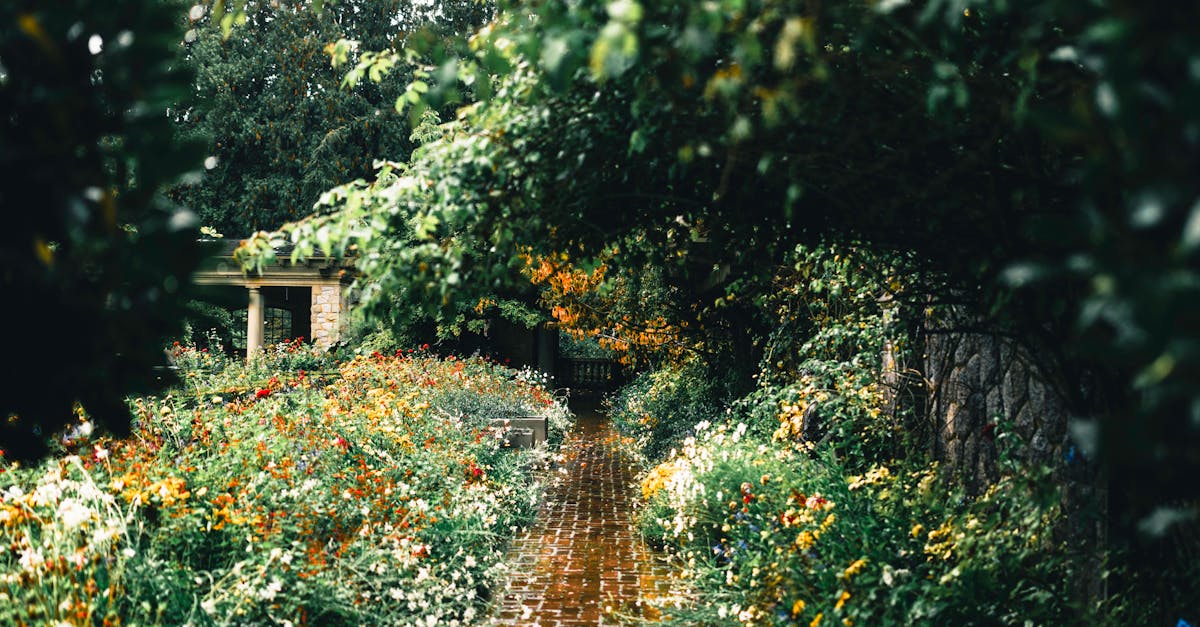
In modern garden renovation, hardscaping features play a crucial role in enhancing both functionality and aesthetics. Patios offer versatile spaces for relaxation and outdoor dining, often constructed from materials like natural stone or pavers. Walkways are essential for guiding visitors through the garden. These paths can be designed in various styles, incorporating gravel, bricks, or decorative tiles, adding character to the landscaping.
Retaining walls provide practical solutions for managing changes in elevation and preventing soil erosion. They can also serve as attractive focal points by offering defined planting areas or seating spaces. Other popular features include fire pits and outdoor kitchens, which create inviting social environments. Each hardscaping element contributes to the overall design and usability of outdoor spaces, making careful selection essential for a successful garden renovation.
Patios, Walkways, and Retaining Walls
The integration of patios into outdoor spaces can significantly enhance functionality and aesthetics. They provide a designated area for relaxation and entertainment. Various materials, such as stone, concrete, and pavers, offer diverse options to suit different styles. Careful consideration of layout and orientation ensures optimal use of space while making the most of natural light and views.
Walkways serve both practical and visual purposes in garden design. They guide visitors through landscapes and connect key areas within the garden. Selecting durable materials is essential for longevity, especially in regions with varying weather conditions. Retaining walls can also contribute to the overall design by managing slopes and preventing soil erosion. With proper planning, these features can create a harmonious flow throughout the garden, enhancing both its beauty and usability.
Maintenance of Hardscaping Elements
Caring for hardscaping elements is essential to ensure their longevity and aesthetic appeal. Regular cleaning is a key part of maintenance. Surfaces can accumulate dirt, moss, or algae, which not only detract from their appearance but may also create slippery conditions. Using a pressure washer can effectively remove these unwanted elements, ensuring that patios, walkways, and walls maintain their original charm.
Sealants serve an important role in protecting hardscaped surfaces from moisture and stains, particularly in areas that experience heavy rainfall. Applying a sealant can prevent cracks and deterioration over time. Additionally, inspecting joints and edges for any signs of wear or damage can help identify issues early. This proactive approach reduces the need for costly repairs in the future and keeps the hardscaping components looking pristine.
Tips for Longevity and Care
Proper maintenance of hardscaping features is essential for ensuring their durability and aesthetic appeal. Regular cleaning is crucial; using a pressure washer can effectively eliminate grime and moss build-up. Sealing stones and pavers with a high-quality sealant can prevent staining and weather damage, prolonging their lifespan. It is also wise to inspect joints and edges for any signs of wear, as small repairs undertaken early can prevent larger issues later on.
Seasonal care should not be overlooked. During autumn, leaves should be cleared promptly to avoid staining and deterioration of surfaces. In winter, snow and ice can pose risks; using a salt-free deicer can be less abrasive on stone materials. Weeding and managing vegetation around hardscaping elements can prevent roots from breaking through surfaces, ensuring everything remains intact and visually pleasing.
Budgeting for Hardscaping Projects
Creating a budget for hardscaping projects requires an understanding of both material costs and labour expenses. Different materials vary significantly in price, from natural stone to concrete pavers. It’s crucial to research and compare suppliers to ensure you’re getting the best value for your chosen materials. Additionally, consider the complexity of your design. Intricate layouts might necessitate additional labour, impacting your overall budget.
Another vital aspect is the inclusion of unexpected expenses that may arise during the project. Setting aside a contingency fund of around 10 to 15% of your total budget can help manage unforeseen costs. Engaging with professionals for accurate quotes can also provide a clearer picture of the finances involved. Prioritising essential elements over luxury features can help keep the budget on track while still achieving an attractive outdoor space.
Cost-Effective Solutions
Creating a beautiful outdoor space doesn’t always have to break the bank. One effective solution is to incorporate reclaimed materials into hardscaping designs. Recycled bricks, pavers, and stones can add character and reduce costs significantly. These materials often come with a unique history and can create a rustic charm that new materials may lack. Additionally, opting for DIY installation for features like patios and walkways can further enhance savings, allowing homeowners to invest in quality materials without overspending on labour.
Another cost-effective strategy involves planning hardscaping to complement existing landscapes rather than starting from scratch. By working with the natural contours and features of the garden, one can minimise excessive earthmoving and reduce material costs. Selecting durable, low-maintenance options such as concrete or gravel can also cut down long-term expenses on upkeep. Integrating greenery into hardscaping designs, such as plantings along pathways or decorative stone features, can enhance aesthetics without adding significant expenses.
FAQS
What is hardscaping in garden renovation?
Hardscaping refers to the non-plant elements of landscape design, such as patios, walkways, retaining walls, and other structures that provide functionality and aesthetics to a garden.
How can hardscaping enhance my garden's design?
Hardscaping can improve the overall design of your garden by creating defined spaces, improving accessibility, and adding visual interest. It also plays a crucial role in managing water drainage and soil erosion.
What are some popular hardscaping features to consider?
Popular hardscaping features include patios, walkways, retaining walls, fire pits, and decorative stone features. Each element can contribute to the garden's functionality and aesthetic appeal.
How do I maintain hardscaping elements?
Regular maintenance of hardscaping elements includes cleaning surfaces, checking for cracks or damage, and ensuring proper drainage. Using sealants and avoiding harsh chemicals can also help prolong the life of these features.
What budget-friendly options are available for hardscaping projects?
Cost-effective solutions for hardscaping projects include using recycled materials, opting for gravel instead of pavers, and designing smaller features that achieve the desired effect without breaking the bank.
Related Links
Budgeting for Your Garden Renovation: Tips and TricksChoosing the Right Plants for Your Victoria Garden Makeover
Designing Functional Outdoor Spaces Through Effective Garden Renovation
Incorporating Native Australian Plants in Your Garden Renovation
Before and After: Inspiring Garden Renovation Success Stories
Eco-Friendly Practices for Garden Renovation in Victoria
Essential Steps for a Successful Garden Renovation Project
Innovative Ideas for Revamping Your Outdoor Space in Victoria
Transforming Your Backyard: A Comprehensive Guide to Garden Renovation in Victoria